11/01/2012

What to know about asthma


What to know about asthma


Asthma symptoms can start at any age. About one in 12 adults are now diagnosed with the disease. Genetics and environmental factors may play a role in its development. Women are more susceptible than men.
Asthma is a serious, chronic disease that affects the lungs and narrows the airways that deliver air to the lungs. Although symptoms of asthma sometimes vary, the telltale signs usually include a scratchy throat or tightness in the chest, followed by a cough, wheezing and shortness of breath.
Asthma causes symptoms when the bronchial tubes become narrowed and hyperactive. An asthma "attack" begins when the airways become inflamed in response to a trigger, causing the mucous membranes covering the walls to become swollen with fluid. When this sticky mucus fills the remaining space in the airway, it makes it very difficult to breathe.
Peak flow meters are used to measure one's peak expiratory flow rate
These symptoms tend to come and go, and are related to the degree of airway narrowing in the lungs. The airways are sensitive to a variety of stimuli, which may include viral illnesses (such as the common cold), allergens, exercise, foods or environmental conditions.
Asthma attacks vary in length and severity. They can be mild, moderate or severe, and can last for minutes, hours or even days. Attacks can occur anywhere and at any time. Many occur at night. Depending on the severity of the disease, treatment options include the use of anti-inflammatory medications, steroids, bronchodilators and inhalers.


The common triggers of asthma are well documented. They include:


» Allergens: The leading triggers of asthma include allergies to dust/dust mites, pollen, mold, animal dander or fur and cockroaches.
» Infections: Both viral and bacterial infections can trigger asthma.
» Irritants: Strong odors and sprays, certain chemicals and changing weather conditions (for example, breathing in very cold, dry air can trigger an asthma attack).
» Smoke: Cigarette smoke is especially hard on the airways of people with asthma.
Salbutamol metered dose inhaler commonly used to treat asthma attacks.
» Exercise: Although exercise is good for people with asthma, it can trigger an attack.
» Anxiety: Strong emotions and nervous stress seem to trigger asthma attacks in some people.


An important way to reduce the allergens is to reduce the number of dust mites at home. It helps to run the air conditioning in the summer months and to avoid using a humidifier in the winter, because mites thrive in a warm, moist environment.


Other helpful tips to reduce triggers:


» Eliminate household pets (especially cats), if possible.
» Vacuum regularly.
» Replace carpeting with wood or tile floors, especially in bedrooms.
» Cover bedding and pillows with airtight, plastic covers.


Asthma can usually be treated successfully. However, this requires being well educated about the disease and becoming an active partner in managing it. It is important to seek continued education and health maintenance with your primary care provider.

Top Antiaging Foods from Around the World


Top Antiaging Foods from Around the World


From exotic juices to cans of cocktail peanuts, more and more edibles in the supermarket are being dubbed "antiaging" by some marketer or media pundit. The real deal about munchies that keep you youthful? They come from the earth, not a vacuum pack.
We're not the only ones who are saying that. Take a look at what the longest-lived people in the world are eating (if you know us, this list will look familiar, but with a few twists). Then, put their favorites on your own table.


Costa Rica: Beans for Breakfast 
Beans
Residents of Costa Rica's Nicoya Peninsula are four times more likely than most North Americans to live past age 90. One reason may be dishes like gallo pinto, a tasty mix of black beans and rice flavored with onion, red peppers, garlic, olive oil, cilantro, and a salsa lizano -- a condiment a little like Worcestershire sauce. The Oz part of this team learned on a trip to Nicoya that big breakfasts that begin with beans rule there. But don't limit yourself; this dish is great at any meal.


Nova Scotia: Wild Blueberry "Grunt" 
Some of Nova Scotia's picturesque villages are home to Canada's highest percentages of centenarians -- people who've lived for at least 100 years. One reason may be polyphenol-packed wild blueberries produced by the millions of tons on this island. Luckily, you can find frozen wild blueberries in your supermarket. Use 'em to make a traditional "grunt"-- lightly cooked blueberries (skip the sweetener that's usually in the recipe; the berries are sweet enough!) served over a biscuit (but please, make it whole grain, or skip the biscuit altogether). It's also known as a slump, a fungy, a buckle, or a bang belly. 
France: Wine 
Wild Blueberry "Grunt" 
In this country, local red wine is king. And for good reason. Moderate drinking (1 glass for women, up to 2 for men) with a meal a day seems to explain some of the "French Paradox"-- low rates of heart disease despite a penchant for artery-clogging goodies like cheese. It may help explain why the French tie the Italians (another nation with a healthy love of wine) as Western Europe's longest-living people. Wine's magic seems to come from a few components: ethanol, which boosts levels of healthy HDL cholesterol; resveratrol, which new research suggests can mimic the life-extending effects of cutting calories; and polyphenols, which rev up the body's own cell-protecting antioxidants. Why not try a red wine from a vineyard near you, or head for a heart-healthy zinfandel, syrah, pinot noir, or cabernet sauvignon?


Greece: Lots of Veggies, Little Meat
Wine
On some Greek islands, one-third of the residents have already celebrated their 90th birthdays. Their longevity secret? The famed Mediterranean diet. When researchers quizzed 23,349 Greek women and men about what's on their plates, they found that death rates were lowest for those who ate the most fruit, vegetables, beans, and olive oil. The occasional glass of wine helped, too. So did fish, seafood, whole grains, and dairy products. What wasn't on their plates also mattered. Those who ate red meat just a few times a month lived longer than those who indulged more frequently.Eating lots of vegetables accounted for 16% of the youth-power of Mediterranean eating. Drizzle on a little olive oil and top with a scattering of walnuts and you can more than double the impact. Not only will it be delicious, the good fats pamper your heart and help your body absorb more of the carotenoids and other nutrients in cooked veggies and in salad greens.


Japan: Tofu
Food guide pyramid
Tofu's on sale in the produce department of nearly every supermarket. Good news, because on the Japanese island of Okinawa, it may be why residents age gracefully to 100+ more often than anywhere else on earth. Researchers credit this mild-tasting soy curd's low fat content and high levels of good-for-you saponins and isoflavones. Chunk up some extra-firm tofu instead of chicken or pork in a stir-fry, or use soy crumbles in place of ground meat in a hearty spaghetti sauce. Marinate first to heighten flavor; we love it with ginger, garlic, and low-sodium soy sauce. 


So instead of falling for an antiaging additive pitch, steer yourself toward these flavorful, health-giving goodies. You'll see what these cultures have known for years: When it comes to the tastiest antiaging foods, Mother Nature makes the best.


09/01/2012

Hand Sanitizers Are Handy, But May Not Be So Healthy


Hand Sanitizers Are Handy, But May Not Be So Healthy

Your hand sanitizer's handy, but is it healthier than hand washing?


If you're attached to your antibacterial gel like it's your childhood BFF, think about taking a break. Hand sanitizers are certainly handy—if there's no sink in sight and you desperately need to eat with your hands. But most of the time, sudsing up with soap and water will suit you just fine (even preventing sickness more often than antibacterial products!). Recent research showed that soap and water specifically protects against the norovirus (an ugly stomach bug) more effectively than hand sanitizers. Healthcare staff who routinely used sanitizers instead of hand washing were more likely to experience vomiting and diarrhea symptoms from the norovirus.

Of the 45 long-term care facilities studied, over half that used hand sanitizers also saw an outbreak of the norovirus. So here's what you do: Stock hand sanitizer in your purse for lengthy travel to mitigate germ exposure when you don't have the chance to take a hand-wash break. But day-to-day, leave your sanitizer be, opting instead for good, old-fashioned soap and water. You'll help yourself build up immunities and have a happier stomach because of it!
FOLLOW THESE INSTRUCTIONS FOR WASHING WITH SOAP AND WATER


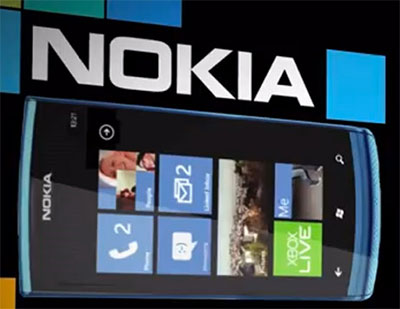
CES 2012: Nokia Lumia 900


CES 2012: Nokia to unveil Lumia 900 Windows Phone


Nokia will begin its bid to crack the US market with the launch of a new flagship Windows Phone, likely to be called the Lumia 900, at CES in Las Vegas .The new device is likely to be similar to the current top model, the Lumia 800, but will feature a larger screen, at 4.3” rather than 3.7”.Nokia is hoping to build on the positive critical reaction that the Lumia 800 garnered when it was launched in London at the end of last year. Sources at retailers, however, say that while sales have risen, Nokia’s marketing blitz, based around the slogan “The amazing everyday”, has not provided the hoped for gear change.Microsoft's new Windows Phone platform uses an interface built on 'tiles' which both link to applications and display some information themselves. It is aimed in large part at users who are upgrading to a smartphone for the first time.The US market, in particular, is vital to the success both of Windows Phone as a platform and to the resurgence of the Finnish handset manufacturer. The company's press conference at the CES 2012 electronics show in Las Vegas will also launch a US marketing push. Nokia CEO Stephen Elop referred to the Lumia 800 as "the first real Windows Phone", but it has not been launched in America.The new Lumia 900 is likely to be marketed by AT&T in America as the Nokia Ace, although it is currently using the codename Eloko, according to Pocketnow.com. BGR.com reported late last year that “The handset will reportedly feature a 1.4GHz processor, a 4.3-inch ClearBlack AMOLED display and an 8-megapixel camera, and it will ship with Windows Phone “Tango.” It now, however, appears that the phone will, initially at least, use the current ‘Mango’ build of Windows Phone.


CES 2012: Acer Aspire S5 is world's new thinnest laptop


CES 2012: Acer Aspire S5 is world's new thinnest laptop
At just 15mm thin, the world’s thinnest laptop will still pack major computing punch, manufacturer Acer claims.

The computer is the latest of a nearly 60 ‘ultrabooks’ that are set to be launched at the Consumer Electronics Show (CES) in Las Vegas. The new category of laptops aims to be thinner, faster and more stylish than those currently on the market, and were developed with the help of a $300million investment from chipmaker Intel.
At 15mm thick, Acer’s Aspire S5 will be 2mm thinner than the Apple Macbook Air, and will weigh the same at 1.35kg.
The 13.3” screen will be accompanied by HDMI, USB3 and Thunderbolt ports, but prices and further details have yet to be announced. The use of a Thunderbolt port, for high-speed data transfer, is the first outside Apple, and all the ports are accessed via a panel built into the laptop’s hinge. CES has also seen new ultrabooks unveiled by Toshiba, which join exisiting models from Asus and Lenovo.
Acer also announced the Iconia A700 Tab, a new tablet that is the first to feature a quad-core processor and a full-HD 1080p display. The 10.1” device will also feature a micro USB and microSD memory card slot. Further details, including price and availability are set to be announced later at CES. The original Iconia Tab has been one of Google Android’s most successful designs

Lytro Light Field Camera


Lytro Light Field Camera


Lytro has created a new way to take and experience pictures. Earlier this year, Lytro introduced the world’s first consumer camera that captures the entire light field. Unlike conventional cameras that capture only two dimensions, Lytro records life’s multi-dimensional nature, capturing the color, intensity, and direction of light to offer photographic capabilities never before possible. The first major capability of the Lytro camera is the ability to focus pictures AFTER they are taken. And, with no need to auto-focus to slow things down, the Lytro’s instant shutter ensures that the photographer never misses a moment. The picture taker can then share their living pictures with friends and family via Twitter, Facebook, email or blogs so that others can explore and interact with them on nearly any device.


The Lytro light field camera, which offers a powerful 8x optical zoom and f/2 lens in an iconic design, brings new creative possibilities to photography and represents the most significant shift in photography since the transition from 35mm to digital. The Lytro comes in 8GB and 16GB models and has an extra-long battery life. The Lytro takes up to 400 pictures between charges and comes in three vibrant colors – Red Hot, Electric Blue and Graphite.


Price: $399 for Electric Blue and Graphite (8GB); $499 for Red Hot (16GB)


JUDGE’S REMARKS


When you’re taking pictures, sometimes it’s tough to get the focus point just right. The Lytro Light Field Camera is the first of its kind, and promises to eliminate the conundrum of choosing your focus point at the time you’re snapping the picture. This is no ordinary point and shoot digicam, and its unique rectangular shape belies that point. The way it works is by capturing the details of light and other metrics, so you can pick your focus point after the fact. The camera has an 8X optical zoom and an f/2 lens. It sadly has just 8GB and 16GB versions, with no expansion card slot, so that means you need to offload your images at the same time you recharge each time (the battery lasts for up to 400 shots)


Official Web Site
Gallery

Improving Your Memory


Improving Your Memory

Can eating berries or dancing keep your mind sharp?

While many of the exercises Anne Forrest used to improve her memory are designed for brain injury, some of the strategies are ones anyone can use to keep mind and memory sharp.
To remember more, pay attention more.“That’s one thing I notice a lot,” says Melanie Reynolds, Forrest’s former speech-language pathologist at Mount Vernon Hospital. “I have a friend who never remembers anything because she never pays attention.”When a stranger is introducing himself, Reynolds suggests reminding yourself to pay attention. Repeat the name and, if you can, relate it to someone you know.
What about boosting brainpower long-term?

Doing word games, puzzles, and other mental exercises—taking a course, reading, attending plays—can provide insurance against impaired memory and dementia later in life. That’s because mental activity stimulates new pathways among brain cells. As the brain declines due to age, you’ve got more of a safety net.
“You can maximize the likelihood of maintaining excellent brain function by keeping the brain active and maximizing your cognitive reserve,” says Dr. Paul Aisen, a professor in the departments of neurology and medicine at Georgetown University, who in his spare time plays chess and tennis.This does not mean that a crossword puzzle a day keeps Alzheimer’s away: Genetics, environment, lifestyle, and education play a role.“People should not be misled into thinking if they do crossword puzzles, it will solve all their problems,” says Dr. Barry Gordon, professor of neurology and cognitive science at Johns Hopkins University. Instead, have a broad range of interests. Gordon and his wife like to browse in less-familiar sections of a bookstore—science fiction, say—to pick up books on subjects they don’t know.
Physical exercise is key, too. Aerobic activity increases blood flow and oxygen in the brain.Dr. Gregory O’Shanick, medical director of the Brain Injury Association of America, cites a study in which world-class chess players were divided into two groups: One group exercised, the other didn’t. Those who exercised won more.
There is also evidence that certain foods may help the brain. Deficiencies of vitamins B-12 and B-1 and folic acid have been linked to cognitive impairment—so, theory goes, foods rich in these nutrients may protect the brain. “Antioxidants may also be important,” Dr. Aisen says, “and there is a growing body of evidence that suggests fish oil may be important.”

The Alzheimer’s Association suggests eating more

• antioxidant-rich vegetables such as spinach, kale, brussels sprouts, broccoli, beets, red bell pepper, onion, corn, and eggplant,

• dark-skinned fruits including raisins, blueberries, prunes, blackberries, strawberries, raspberries, plums, oranges, red grapes, and cherries,

• cold-water fish including halibut, mackerel, salmon, trout, and tuna, and

• nuts, such as almonds, pecans, and walnuts.

Dr. Aisen cautions against taking supplements with labels such as “brain health.” “We don’t know exactly what they contain,” he says. “There’s insufficient evidence to support such supplements.”
Social interaction is another boost to brain health. According to the Alzheimer’s Association, studies have found that activities like dancing, which combines physical and mental challenge along with companionship, have the greatest benefit.
Dr. Gordon, who has written books on improving memory, says that it’s not the activity that matters but doing something to keep mind and body active.
“The best thing to do is something that interests you because you’ll keep at it and push yourself,” he says. “Use it as an excuse to pursue a dream, a hobby.”
Something as simple as eating or brushing your teeth with your opposite hand now and then can rouse the brain.
“What you’re doing is forcing the brain to do something novel. You’re recruiting different pathways,” says Dr. O’Shanick, who plays board games with his wife and five children and recently took up horseback riding. “Even something like driving or walking to work a different way triggers increased activity in the brain.”
If you’re worried about your memory, Dr. Gordon says, you’re probably okay.
“In general, the person who comes in complaining about memory problems,” he says, “is the person least likely to have a problem.”